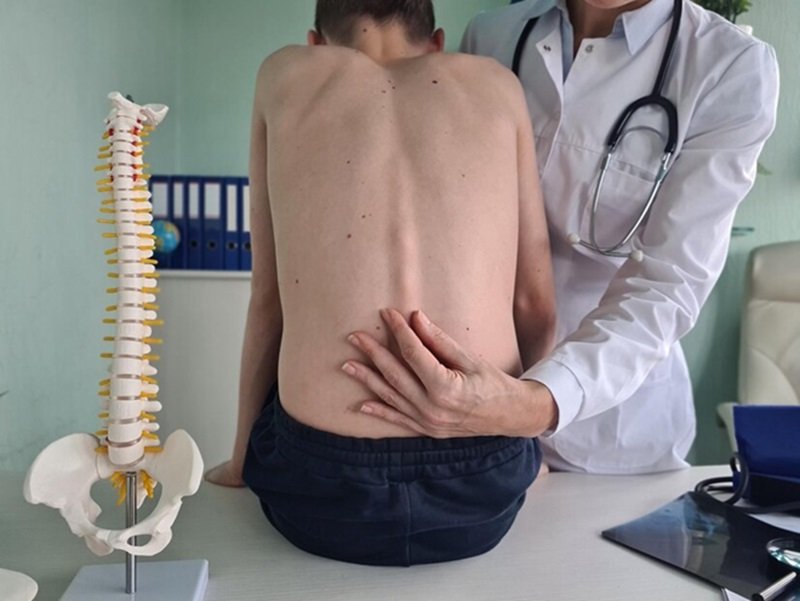

Back pain is extremely common. Almost everyone deals with it at some point. For many people, it comes from simple issues like muscle fatigue, long hours at a desk, or lifting something the wrong way. The pain usually settles with rest, light movement, or over-the-counter medicine.
But back pain is not always that simple. Sometimes it points to a deeper problem in the spine. Knowing the difference can help you decide when it is time to visit a spine specialist.
Why Back Pain Happens
There are many day to day reasons for back pain. Most of them are not serious.
Muscle Strain
Sudden bending, jerking, or lifting can strain the muscles. This kind of pain feels sore and stiff.
Ligament Sprain
Overstretching the ligaments around the spine can cause sharp pain, especially during movement.
Long Hours Sitting
Sitting at a desk without proper support puts pressure on the back. This leads to dull, constant pain.
Natural Ageing
With age, discs lose moisture and joints become stiff. This can cause regular backaches.
These problems usually get better in a few days. When the pain does not settle or starts changing, that is when you need to pay attention.
Signs That You Should See a Spine Specialist
Most people ignore back pain, hoping it will disappear. But certain symptoms should not be missed.
Pain That Lasts Two Weeks or More
If simple rest and home care are not helping, something else may be going on.
Pain Moving Down the Leg
If the pain spreads to your hip, thigh, or foot, it may be a nerve issue.
Tingling or Numbness
Pins and needles or loss of feeling in the legs often point to nerve compression.
Leg Weakness
Difficulty climbing stairs, lifting your foot, or walking steadily needs medical attention.
Severe Pain After a Fall
Any major injury to the back should be checked right away.
Fever or Unexplained Weight Loss
These symptoms with back pain may signal infection or another condition.
These signs are the body’s way of telling you that the spine needs a proper check.
What a Spine Specialist Does
A spine specialist looks closely at the bones, discs, and nerves to find the real cause of the pain.
Detailed Evaluation
The doctor listens to your symptoms, checks your back movement, and tests nerve strength.
Imaging Tests
Depending on the symptoms, the doctor may suggest an X-ray, MRI, or CT scan to understand what is happening inside the spine.
Treatment Plan
The doctor prepares a step-by-step plan. This may include medicines, physiotherapy, posture correction, or targeted injections.
Surgery Only When Needed
Most back issues do not need surgery. It is used only when the nerve is severely compressed or when pain does not improve despite treatment.
Spine Problems That Need Expert Care
A few common conditions often require a specialist’s help.
Herniated Disc
A slipped disc can press on nerves and cause sharp shooting pain.
Spinal Stenosis
Narrowing of the spinal canal may lead to leg pain, heaviness, and difficulty walking.
Spondylolisthesis
One bone in the spine slips forward over another.
Degenerative Disc Disease
Discs lose height and flexibility over time, causing ongoing pain.
Osteoporotic Fractures
Weak bones in older adults can cause tiny fractures in the spine.
Simple Ways to Protect Your Back
A few daily habits can make your spine stronger.
- Sit with your back supported
- Take short breaks when working long hours
- Avoid lifting heavy objects alone
- Keep your body weight in check
- Stretch regularly
- Sleep on a supportive mattress
These small steps can reduce stress on your spine.
When to Visit Neurospine Clinic, Thane
If your back pain is persistent, affecting your legs, or not improving with home care, it is safer to get checked early. Neurospine Clinic in Thane provides advanced spine evaluation and treatment, including both non-surgical and minimally invasive procedures. You can explore their services at neurospinethane.com.
FAQs
1. Do I need a spine specialist for mild back pain?
Not for mild pain that improves with rest. If it stays for weeks or keeps returning, a specialist can help.
2. How do I know if a nerve is involved?
Pain that moves down the leg or numbness in the feet are key signs.
3. Will I need surgery?
Most patients recover without surgery.
4. Is MRI always needed?
No. It is recommended only when symptoms suggest deeper issues.
5. Can lifestyle changes help?
Yes. Good posture, regular movement, and weight control help prevent many spine issues.