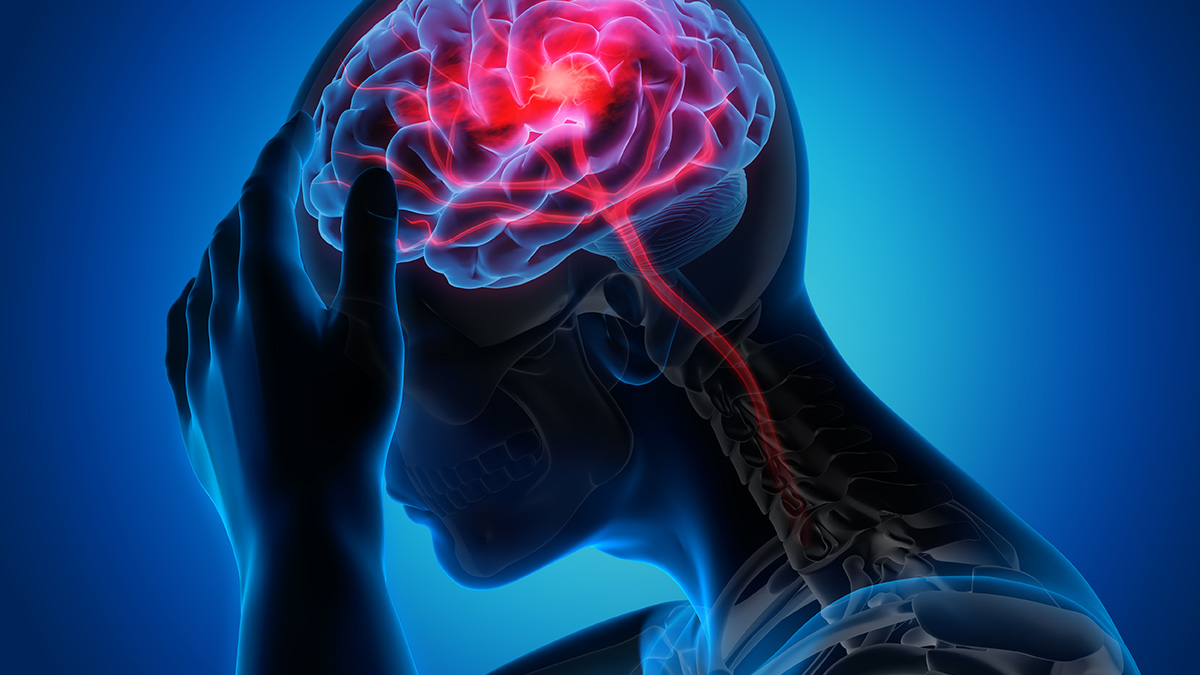
Brain cancers also immensely impact a person’s daily life functions and mental processing, causing symptoms like headaches, seizures, memory loss, and mood changes, thereby affecting one’s functions and independence.
Since the symptoms range from brain fog that causes problems with focus to weakness that causes problems with walking, there is a high likelihood that one may look for ways of coping with these symptoms, which can be achieved by looking for early intervention from experts, like the best spine surgeon in Thane, among others.
Physical Symptoms Affected Routines
The headache can be intense, accompanied by increased intracranial pressure in the morning, thereby interfering with sleeping and concentration. Vomiting, nausea, and seizures can strike at any moment. This not only affects the performance of any action, like driving a car, preparing meals, using heavy machinery, and even doing some domestic chores, but also requires constant reliance on other members of the family.
Lack of balance and coordination, as well as weakness in the limbs or on one side of the body, make simple daily tasks like walking, climbing, or coming downstairs very risky. Painful and inflamed joints, as well as swelling caused in other parts of the body, generate limitations among persons with health issues regarding movement.
These limitations or curtailments impede participation in physical or recreational activities. In addition, patients experience assistance with daily living activities. Pain or discomfort hinders movement.
Swelling occurring in other body areas results in restrictions in movement. Restrictions in movement will result in a person not taking part in physical and recreational activities.
Cognitive Challenges in Daily Tasks
Forgetting appointments, bills not being paid, keys being misplaced, or failing to complete a sentence are consequences of loss of short-term memory. Inability to focus may entail divided attention during a business presentation, reading an email, or fulfilling parental roles concerning children’s school activities. These are the common outcomes of failing in these duties. Inability to complete a sentence may entail misunderstood communication.
A slower decision-making process impacts personal decisions, such as deciding on dinner at a grocery store, handling financial cash transactions at a bank, and activities concerning pressing telephones. Difficulties with language, such as word retrieval (anomia), non-comprehensive understanding, and speech problems, cause issues with communication and social interactions with colleagues at a business establishment, family members, and physicians.
Emotional & Behavioral Changes
It might start with the uncertainty of the diagnosis being made and come from the way the medications act upon the central nervous system. The ability to carry out daily tasks becomes a chore as the lack of motivation to participate in hobbies and physical exercise becomes increasingly evident. The eventual culmination of this is becoming averse to everything around them, including socializing. Mood swings and the inability to control these make intimacy impossible and turn nurturing partners into frustrated caregivers.
Personality changes like impulsivity, apathy, or unusual hostility disturb basic interpersonal relationships, resulting in misunderstandings even with friends, family, or colleagues who understand “who the new you is.” Denial, hopelessness, and ontological fear – what a life has been, is, will, or shall be – lead to severe feelings of isolation that grossly debilitate the quality of life itself. In some cases, the presentation of initial symptoms is based on mere stress.
Impact on Work and Independence
The effects of a small tumor might enable a person to go on working while making some changes at work. However, with an increase in tumors, a work-life change might involve reduced working hours due to ill health, sick leave, or disability benefits. “Brain fog” causes a drastic decrease in work efficiency in an environment that involves work requiring knowledge or creativity. Disability restricts workers from performing manual work, assembly line tasks, working at heights, or working with heavy machinery.
Other expenses with a monetary component may include lost income, growing medical bills related to the treatment and services provided for the cancer, and simultaneous conditions such as heart conditions or orthopedic changes, such as installing a grab bar or a stairway chair lift. The inability to drive caused by the seizures makes one dependent on the services provided by ride-sharing, family drives, or transportation provided by social services.
Family and Social Implications
Extremes of burnout are experienced by the primary caregivers, in most instances spouses and children, and this can amount to resentment and ill health in pursuit of their own careers. They notice changes in their parents, like memory loss and fatigue, and this culminates in worries and tantrums exhibited in “why Mommy/Daddy is different now.”
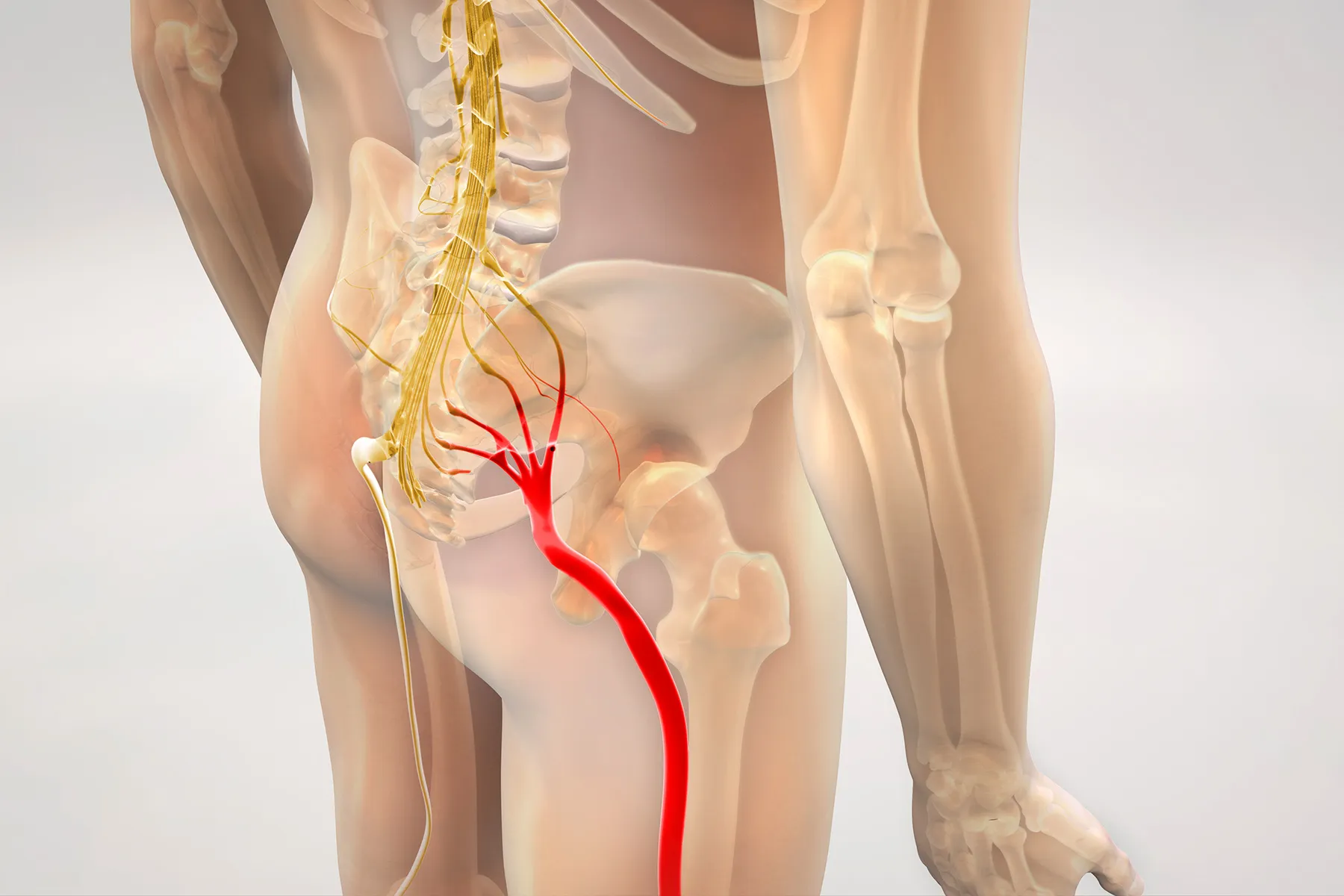
Social outings are also forecasted to dwindle because of weariness and unpredictability, culminating in loneliness. Associated spinal symptoms, including neck or radiculopathies, may mimic the manifestations of cancer, as dictated by the best spine surgeon in Thane.
Treatment Side Effects Amplifying Challenges
There is always a possibility of exacerbation of symptoms in the post-operative period, like swelling, infection, and motor weakness, which causes prolongation of the hospital stay and recovery process.
Radiation therapy affects the brain and causes its swelling, increasing the symptoms of headache and fatigue. In contrast, chemotherapy causes severe nausea, hair loss, neuropathy, and “chemo brain,” which persists for a period of months. Use of steroids such as dexamethasone increases the risk of sudden changes in mood, poor sleep habits, and severe weight gain, thus interfering with mobility.
Complete recovery through alternative and holistic therapy, like strengthening and development of physical, occupational, and communication skills, takes a long time.
Long-Term Adaptation and Coping
Patients establish regular routines and practices, such as time-managed power naps to combat exhaustion, electronic memory aids to serve as reminders, and therapy sessions to help them deal with their emotions and recharge. Specific accommodations at work, accessible via disability laws, can help patients recover and get readmitted to their respective workplaces.
Meditation, journaling, and exercises for diaphragmatic breathing can curb stress. For social isolation issues, online forums and physical support groups are possible. Managing back pain with minimally invasive methods in Thane would be helpful for associated spinal conditions due to forced immobility on a hospital bed.
Strategies for Monitoring & Prevention
Schedule frequent scans after every 3-6 months to check the growth or return of the tumor, but in the meantime, keep a record of the symptoms and discuss them with the doctor accordingly.
Changing one’s diet, such as the inclusion of antioxidants in the diet, performing aerobic exercise like walking, and practicing good sleep hygiene between 7-9 hours, helps in creating resistance in the brain and immune systems. Stopping smoking and staying away from toxins also helps in postponing the possibilities of growth.
Conclusion
Brain tumors drastically alter and irreversibly impact daily life with an array of physical, intellectual, emotional, and social challenges. On the other hand, new healing practices, adaptive strategies, and supportive networks heal vulnerabilities. Specialist spine treatments in thane analysis optimizes channels for progress. Today, view the world’s premier treatment for brain tumors at Neurospine Brain and Spine Clinic with the most excellent spinal surgeon in Thane. Call now!