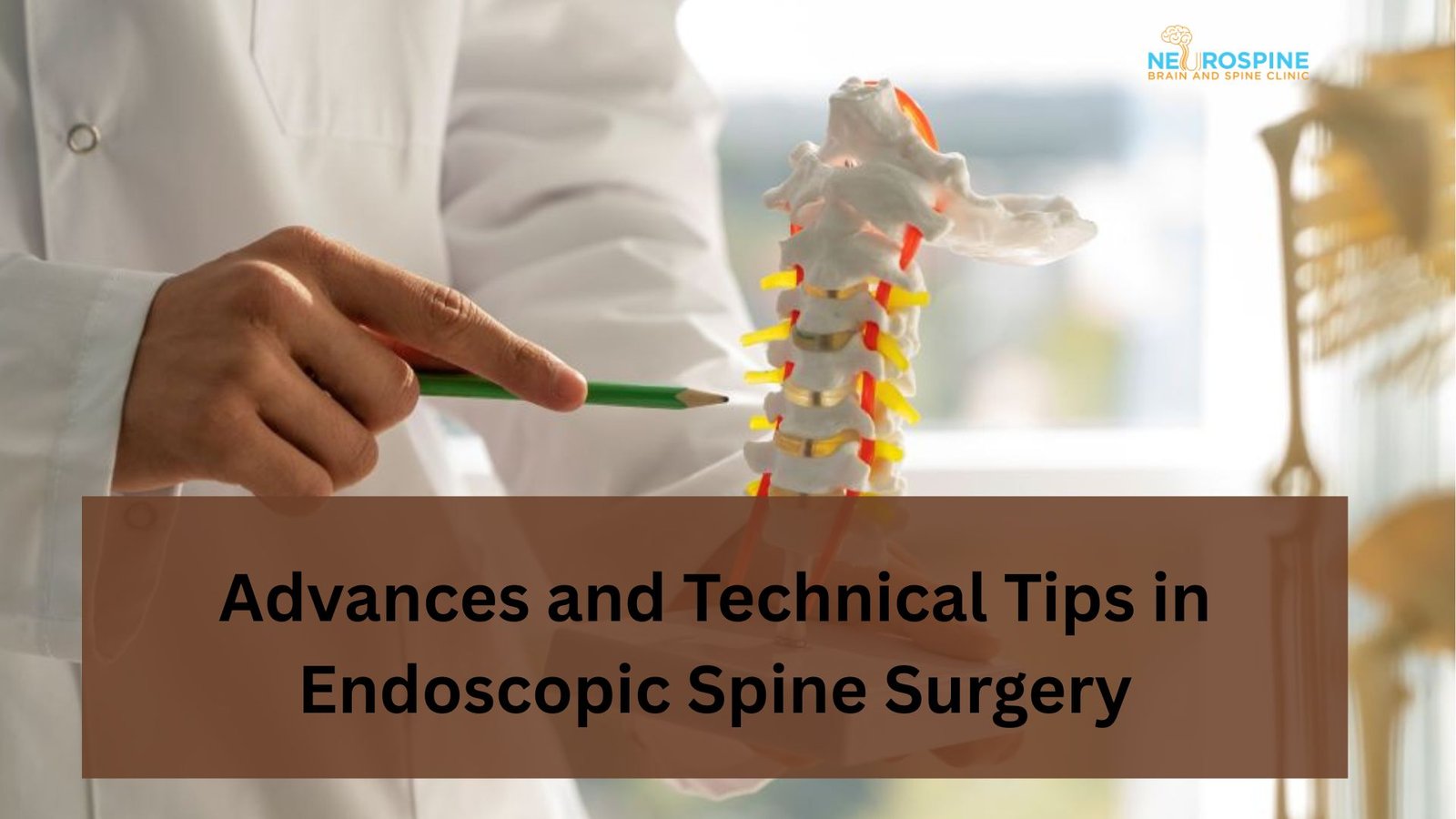

Endoscopic spine surgery is a minimally invasive procedure used to treat common spinal problems that cause back or leg pain. Instead of making a large incision, the surgeon uses a small tube with a camera to access the affected area. This approach reduces tissue damage and allows for faster recovery. It has become an option for patients who want a less painful and quicker alternative to traditional spine surgery.
What Is Endoscopic Spine Surgery?
Endoscopic spine surgery involves using an endoscope, which is a thin tube with a camera and light, to reach the damaged part of the spine through a very small incision. The camera sends a clear image to a monitor, allowing the surgeon to work with precision.
This procedure is commonly used for conditions such as:
- Herniated disc
- Sciatica
- Spinal canal narrowing
- Nerve root compression
The goal is to remove the tissue pressing on a nerve while disturbing as little of the surrounding muscle and bone as possible.
Conditions Endoscopic Spine Surgery Can Treat
Herniated Disc
A slipped or herniated disc can press on nearby nerves, causing sharp leg pain, numbness, or weakness. Endoscopic surgery removes the disc fragment causing the pressure.
Sciatica
When the sciatic nerve is irritated, pain travels down the leg. Removing the compressed tissue often brings quick relief.
Spinal Stenosis
Narrowing of the spinal canal can cause back and leg pain. Endoscopic tools help clear the space around the nerves.
Recurrent Disc Problems
If pain returns after previous disc surgery, the endoscopic method can help fix the issue with minimum trauma.
Who Is an Ideal Candidate?
This surgery may be recommended if:
- Pain has lasted for weeks despite medication or physiotherapy
- Pain radiates down the leg or arm
- There is numbness or tingling due to nerve compression
- Pain affects daily movement or work
- MRI findings match your symptoms
Dr. Bharat Shinde evaluates each patient to confirm whether endoscopic surgery is the suitable option or if a non-surgical approach is better.
How Endoscopic Spine Surgery Is Performed
1. Small Incision
A cut of less than one centimeter is made in the skin.
2. Inserting the Endoscope
The surgeon places the endoscope through the incision to reach the target area.
3. Real-Time Visualization
The camera provides a magnified view of the disc, nerves and tissues.
4. Removing the Pressure
Special instruments are used to remove the disc fragment or tissue compressing the nerve.
5. Closing the Incision
Only one or two stitches are required. Many patients can walk soon after the procedure.
The surgery usually takes about 45 minutes to 1.5 hours depending on the case.
Benefits of Endoscopic Spine Surgery
Many patients choose this technique because it is less invasive than traditional open surgery. Common advantages include:
- Smaller incision
- Less blood loss
- Reduced muscle damage
- Lower infection risk
- Faster mobility
- Less postoperative pain
- Quick return to routine activities
Because the muscles and bones are preserved, long-term stability of the spine is also better maintained.
Recovery After the Procedure
After surgery, patients are encouraged to walk within a few hours. Most are discharged the same day or the next morning.
Typical recovery timeline:
- Mild soreness for a few days
- Gradual return to light work in one to two weeks
- Physiotherapy recommended after healing starts
- Avoid bending, twisting or heavy lifting for a few weeks
Most people notice relief from nerve pain soon after the surgery.
How Safe Is Endoscopic Spine Surgery?
When performed by an experienced spine surgeon such as Dr. Bharat Shinde, endoscopic spine surgery is considered safe and effective. Complication rates are lower compared to traditional open surgery, mainly because the incision is small and tissues are preserved.
When You Should See a Spine Specialist
You should seek medical evaluation if you have:
- Persistent back or leg pain for more than a few weeks
- Pain that radiates to your foot or arm
- Numbness or tingling
- Difficulty walking or standing
- Weakness in your legs
Early diagnosis often prevents the condition from getting worse.
Frequently Asked Questions
Is endoscopic spine surgery painful?
Pain is usually much less than traditional surgery. Most patients experience mild soreness that improves within a few days.
How long will I stay in the hospital?
Many patients go home the same day. Some may stay overnight based on their medical condition.
Will I need physiotherapy?
Yes. Physiotherapy helps strengthen your back muscles and improves long-term recovery.
Is this surgery suitable for all spine issues?
No. Some complex conditions require a different approach. A spine specialist will guide you based on MRI findings.
How soon can I return to work?
Most people can resume desk work in one to two weeks. Jobs that involve heavy lifting may require more time.
Consult a Spine Specialist in Thane
If you are experiencing persistent back or leg pain, NeuroSpine Thane offers complete spine evaluation and advanced treatment options.
Dr. Bharat Shinde provides endoscopic spine surgery and other minimally invasive techniques tailored to each patient’s needs.
To schedule an appointment, visit:
https://neurospinethane.com